

Post-Quantum Cryptography in India: DST Roadmap Milestones
What India's DST quantum-safe roadmap asks for and by when, why harvest-now-decrypt-later matters now, and a 7-step PQC plan for Indian enterprises.
Platform features
AI security
Threat prevention
Data and app protection
Optimised networking
Detection and response
Platform architecture
Hybrid ML-KEM key exchange, ML-DSA authentication and signed firmware on every Nexapp connection.
See how it worksProducts
Enterprise SASE
Explore
Grow to full SASE with the same vendor and NexappOS.
See the pathSolutions
Solutions
Use cases
Managed services
Industries
An architect maps your sites, users and devices in one session.
Request a DemoLearn
Explore
Take action
Practical guides from Nexapp on SD-WAN, SASE, 4G/5G routers, post-quantum cryptography and Indian regulation for network and security teams.
Featured
What India's DST quantum-safe roadmap asks for and by when, why harvest-now-decrypt-later matters now, and a 7-step PQC plan for Indian enterprises.
63 posts
SD-WAN vs VPN for Indian enterprises: how SD-WAN builds on IPsec VPN, when site-to-site VPN is enough, and where ZTNA replaces remote-access VPN.
CERT-In log retention explained for network teams: 180-day ICT logs in India, 6-hour reporting, NIC/NPL time sync, which logs to keep and how to design it.
What a Class-I local supplier is under the PPP-MII Order, DoT's local content rules for routers, SD-WAN and CPE, and the documents a bidder needs.
What DPDP Rules 2025 mean for your network: Rule 6 safeguards mapped to controls, 72-hour breach reports, one-year logs and a checklist before May 2027.
What a firewall for banks in India must do under RBI's July 2026 Directions, and a GeM bid checklist covering Class-I local content, specs and eligibility.
How to choose an industrial 4G router in India: IEC 104 and Modbus, dual SIM, private APN, M2M SIMs, DIN-rail or IP65, MTCTE, plus a spec checklist.
Is IPsec quantum-safe? Where the quantum risk sits in a VPN, how RFC 9370 and ML-KEM for IKEv2 fix it, why IKEv1 can't, and a checklist for buyers.
MTCTE for routers explained: which MTCTE phase covers routers and IoT gateways, NCCS ComSec since 2024, ITSAR v2.0 and how to check a certificate.
What RBI's Cybersecurity Directions of 31 July 2026 require of branch, ATM and WAN networks, what they don't, and a 30-day checklist for network teams.
SASE vs SD-WAN vs SSE in plain words: Gartner's definitions, a decision table for Indian mid-market firms, and how to start small and grow to full SASE.
What Indian bank SD-WAN RFPs actually ask for: on-prem controller, 180-day logs, 7-year EoL, uptime bands, eligibility and a clause checklist to copy.
SD-WAN vs MPLS in India, in rupees: a per-branch cost model for three link mixes, with stated assumptions, bank uptime bands and a migration plan.
How to choose between SD-WAN providers in India: the criteria Indian RFPs use, red flags to watch, a scoring checklist and the questions to ask each bidder.
ZTNA vs VPN for Indian enterprises: how they differ, what RBI's 2026 Directions and CERT-In expect of remote access, and a 7-step plan to replace VPN.
How Indian banks and ATM operators move ATMs from VSAT to dual-SIM 4G/LTE: RFP thresholds, architecture, a 7-step rollout plan and FAQs.
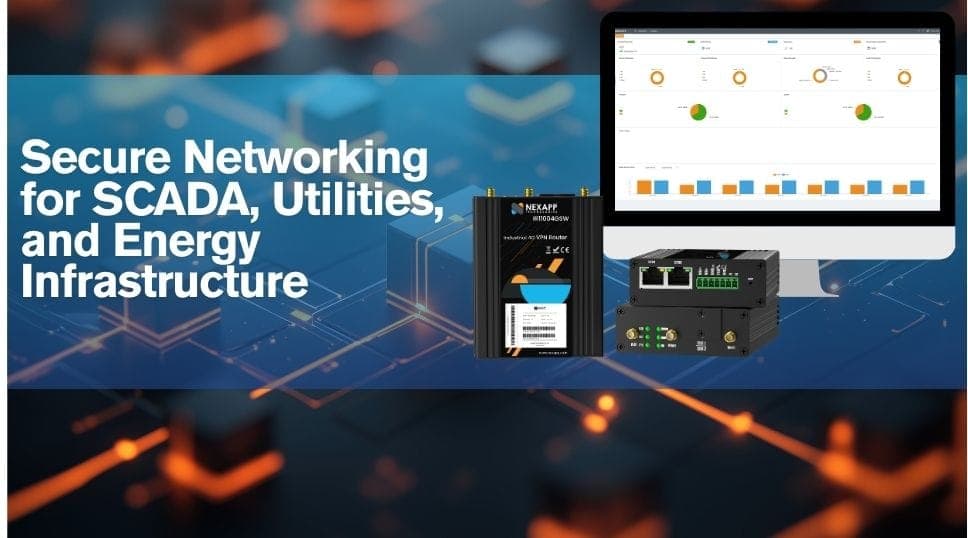
How an industrial 4G/5G IoT gateway secures SCADA and utility sites: IPsec tunnels, IEC 104, DNP3 and Modbus, OT/IT segmentation and DIN-rail design.
Four trends shaping SD-WAN: convergence with SASE, AI-driven automation, multi-cloud connectivity and edge computing, and what each means for your network.
A modern branch network needs simple central management, diverse WAN links including 4G/5G, SD-WAN traffic steering and layered zero trust security.
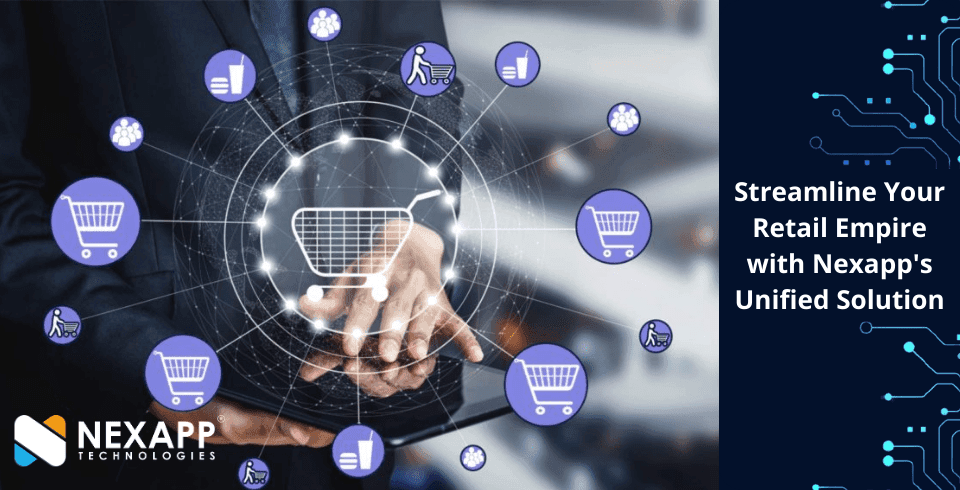
SD-Branch for retail gives one dashboard for all stores, zero-touch setup for new outlets, separate traffic for shoppers, staff and IoT, and safe payments.
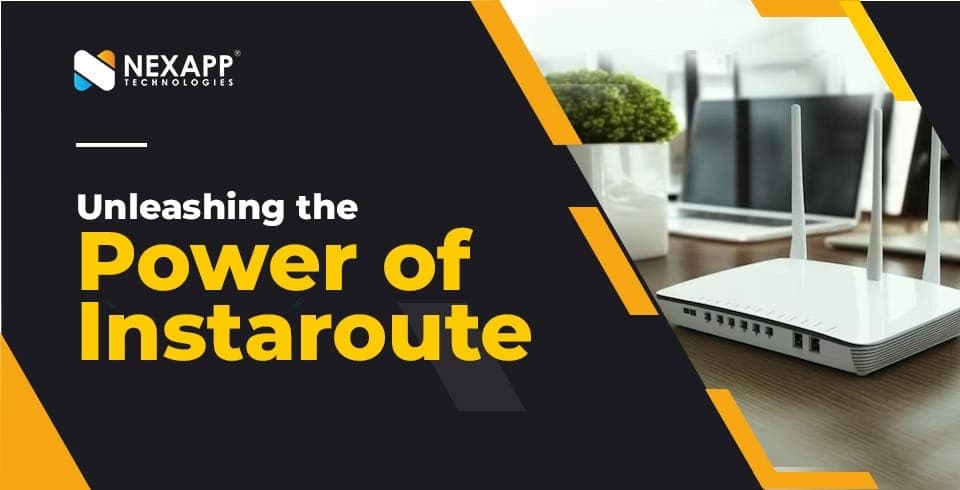
Nexapp Instaroute SD-WAN router features: dynamic path selection, QoS, application-aware routing with DPI, failover, central control and encryption.
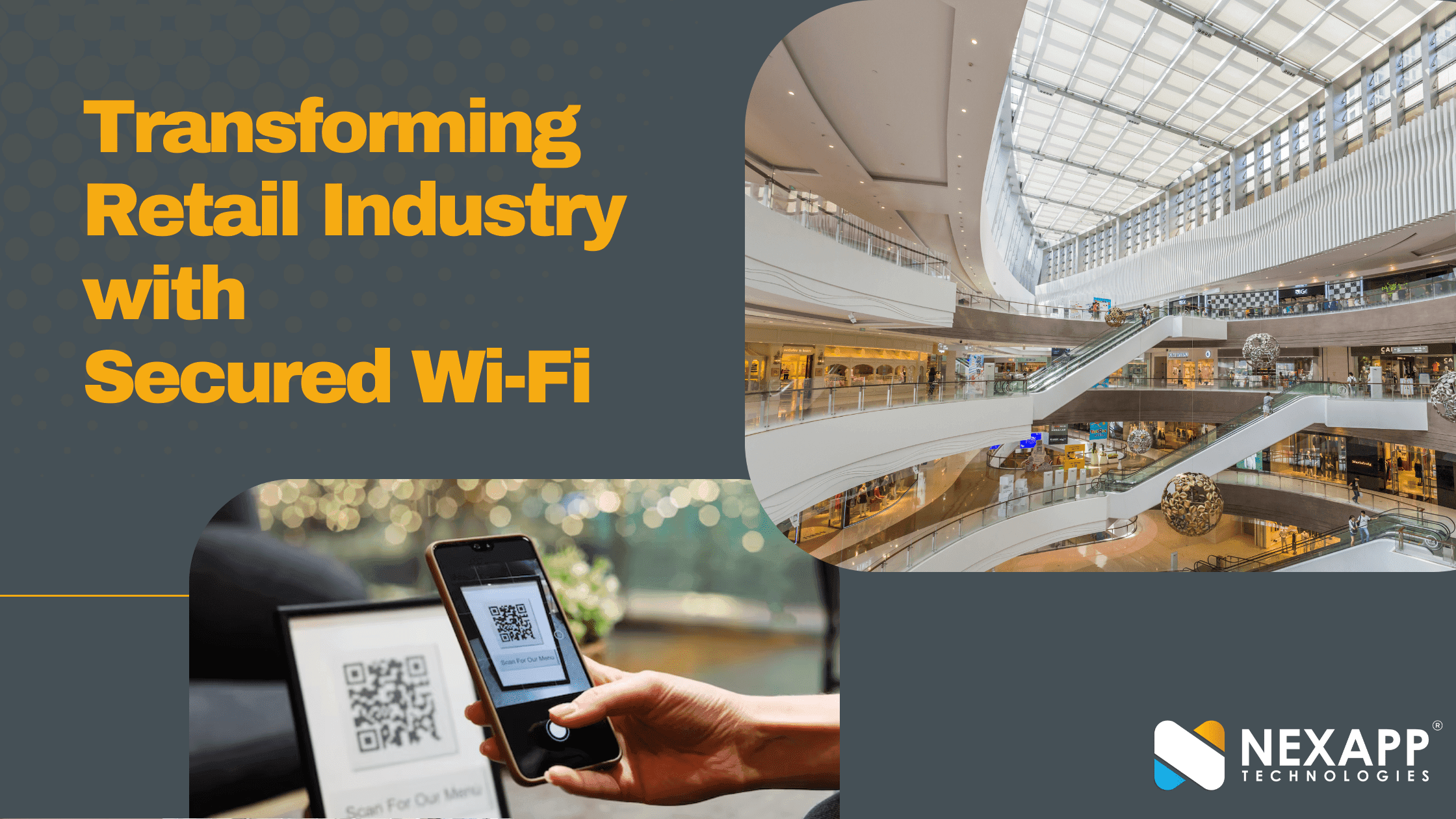
Managed Wi-Fi at billing counters lets shoppers finish UPI payments where mobile signal is weak, with range limits, auto-disconnect and controlled access.
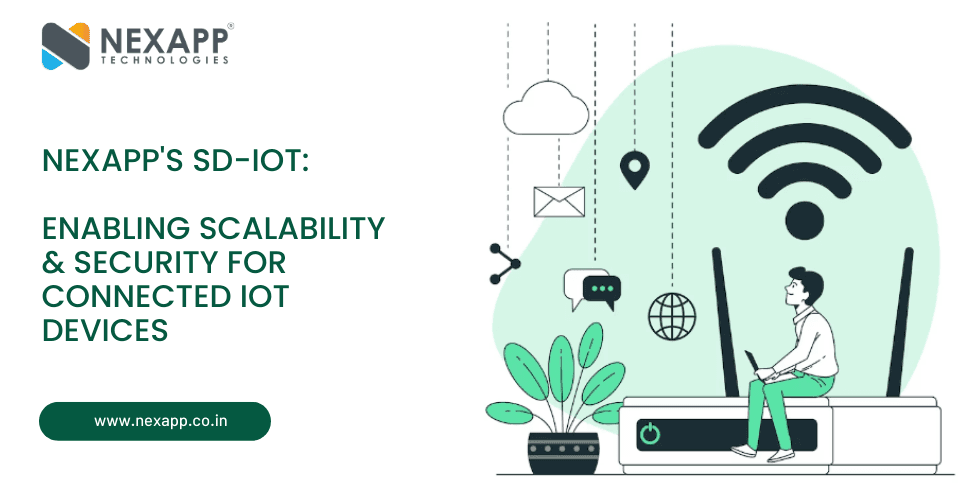
SD-IoT applies software-defined networking to IoT: central control, dynamic resource allocation, open interfaces and one security policy for every device.
ZTNA and SD-WAN together verify every user and device before access, then route traffic over the best path, giving branches both security and performance.
SD-WAN supports digital transformation with central control, application-aware routing, built-in security and faster new-site rollout across MPLS and LTE.
AI and ML improve SD-WAN security with real-time threat detection, automated segmentation, threat analysis, behaviour analytics and predictive alerts.
ZTNA checks every user and device before granting least-privilege access to apps. See how it improves security, compliance, remote work and IT costs.
Cloud-managed routers make wireless WAN simpler: central setup and monitoring, lower costs, easy scaling, built-in security, reports and SD-WAN readiness.
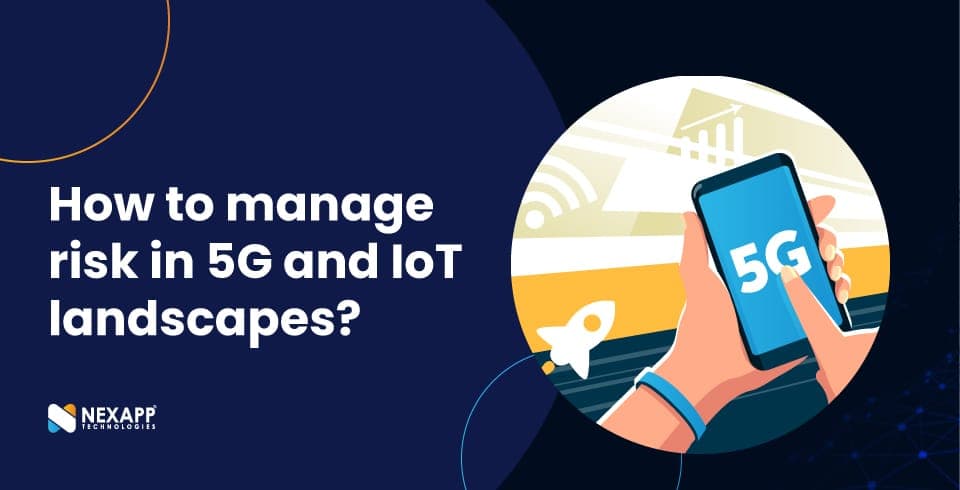
The main 5G and IoT security risks are insecure devices, unencrypted traffic, missed updates and weak authentication. Six practical steps reduce each one.
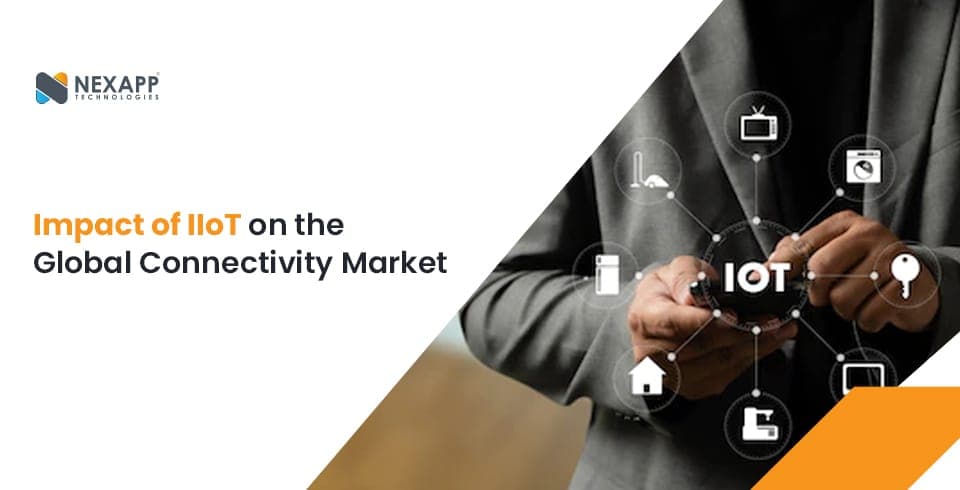
IIoT links industrial sensors, machines and cloud platforms. Learn how it changes connectivity needs, what drives adoption and why security matters.
AI strengthens SASE through user and entity behaviour analytics, data loss prevention, anomaly detection, zero-day blocking and less analyst workload.
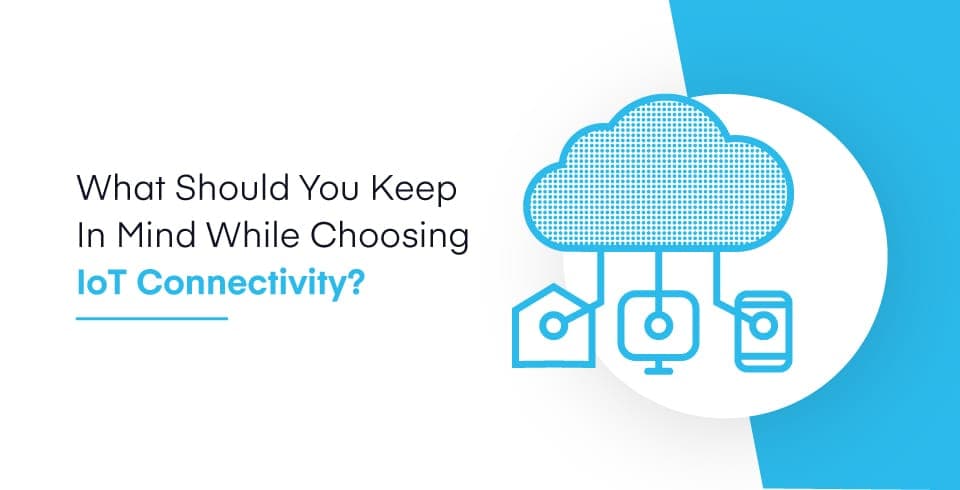
How to choose IoT connectivity: check hardware reliability, auto-reboot, automatic failover, remote management and built-in firewall and VPN before buying.
SD-WAN for IoT: how segmentation, intrusion detection, central visibility and zero-touch provisioning solve IoT security, network and scale problems.
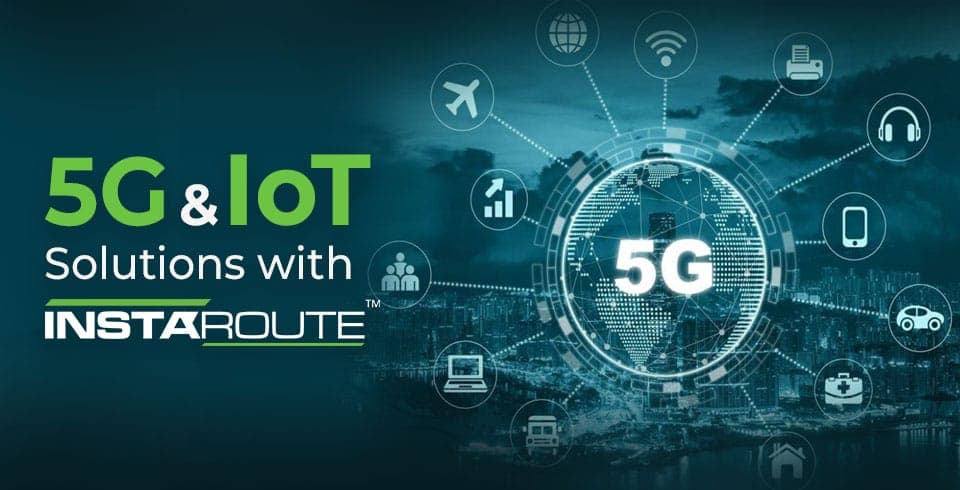
5G IoT use cases explained: low latency, more connected devices and network slicing for smart grids, traffic, surveillance and factory automation.
The main SASE adoption challenges are architecture scale, integration, team culture, vendor selection and tool sprawl. Here is what each one means for you.
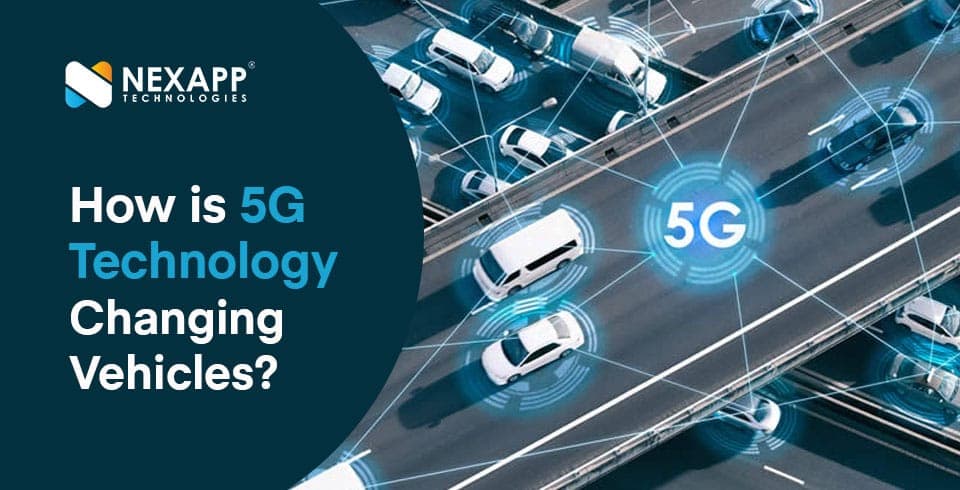
5G is changing vehicles with low latency, higher bandwidth and network slicing, enabling faster vehicle-to-HQ data, real-time tracking and remote control.
The main types of wireless communication are Bluetooth, Wi-Fi, satellite, broadcast radio and 4G/5G cellular. How each works and where it is used.
How to keep remote and hybrid employees connected: weekly non-work rituals, easier ways to ask for support and real time to recharge, to prevent burnout.
AI-driven SD-WAN uses AI and machine learning to spot anomalies, automate changes, cut human error and support capacity planning across branch networks.
SD-WAN with 4G LTE and 5G combines wired and cellular links so a branch can fail over without downtime, with zero-touch setup and remote management.
IoT gateway vs router: a router connects sites to the network securely, while a gateway converts serial data to IP or processes it at the edge.
IIoT security threats such as Stuxnet, Industroyer, device hijacking and PDoS, and the controls that stop them: segmentation, encryption and monitoring.
4G vs 5G compared: 5G brings higher speeds, lower latency, wider bandwidth and wider coverage goals than 4G. See what it changes for business networks.
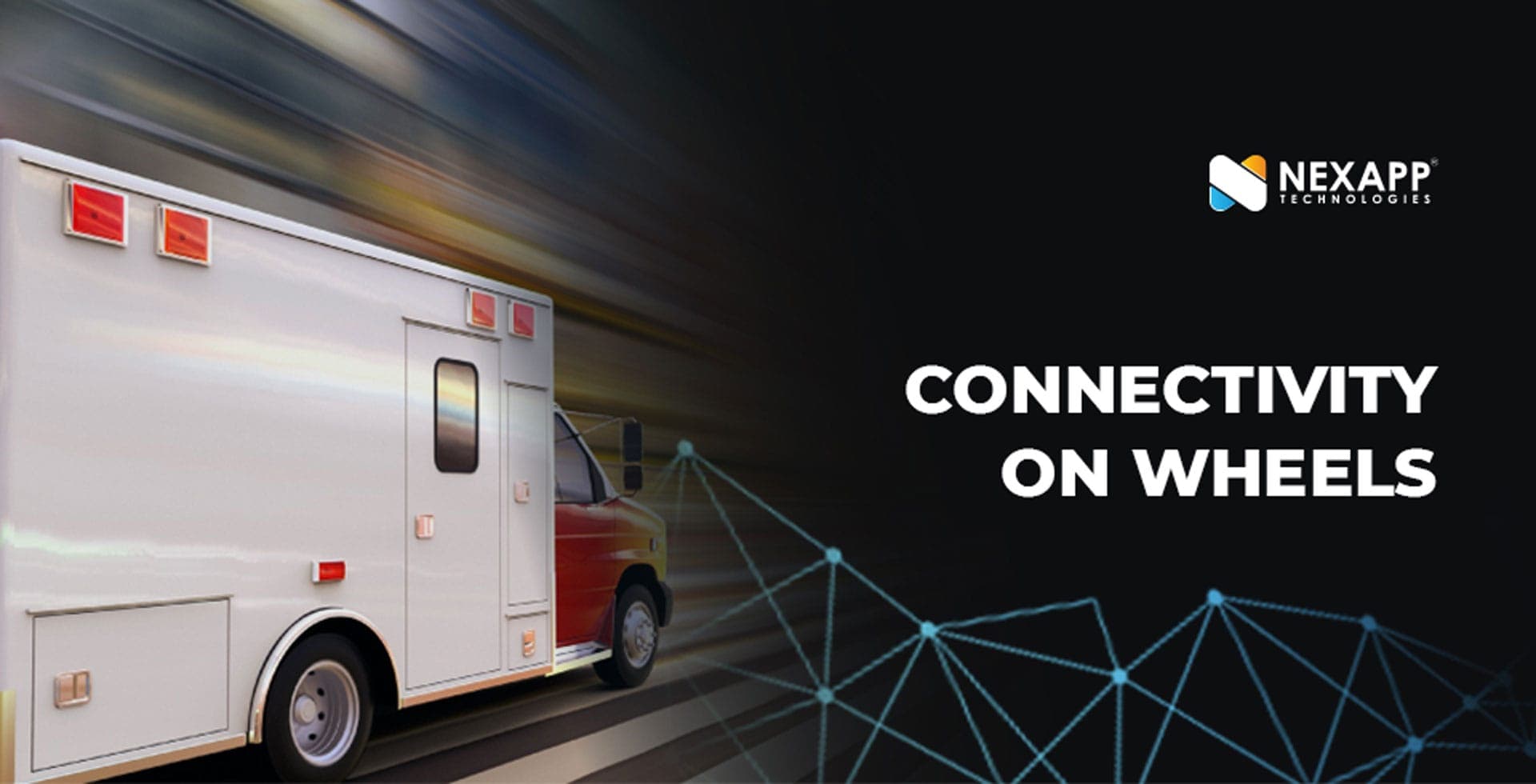
4G/5G routers for vehicles keep ambulances, patrol cars, buses and mobile ATMs online, with SD-WAN steering traffic across LTE and 5G links securely.
Temporary network connectivity for events, construction sites and pop-up stores: why 4G/5G wireless routers beat wired lines on speed of setup and cost.
Cloud network security protects data and apps spread across clouds with micro-segmentation, user-level traffic control and end-to-end encryption via SASE.
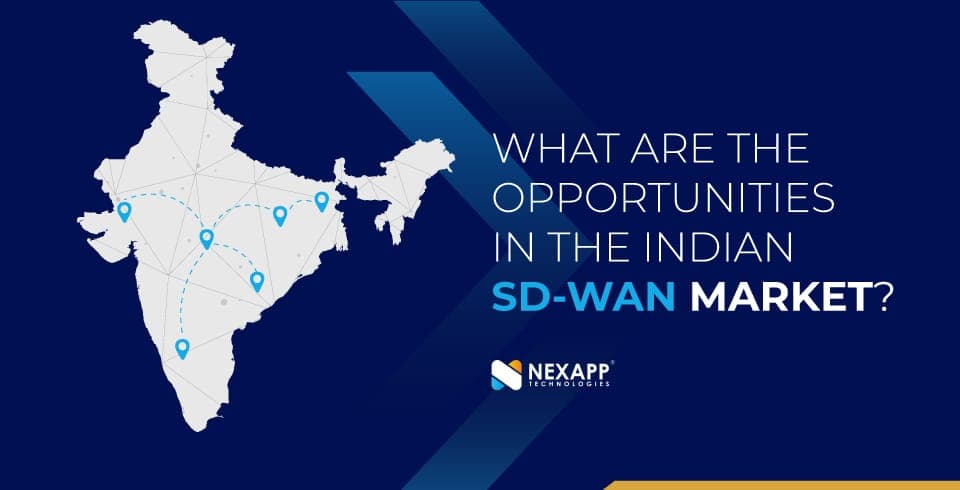
The SD-WAN market in India is driven by digital transformation, cloud-first IT and nationwide broadband, with adoption across banking, energy and retail.
Can 5G solve last-mile redundancy? As a wireless link, 5G avoids physical line cuts and fibre waits, and pairs with SD-WAN to back up wired branch links.
How to secure IoT devices: counter hijacking, weak interfaces and man-in-the-middle attacks with end-to-end encryption, monitoring and lifecycle control.
How the pandemic changed organisational culture: remote work, digital workplaces, clearer communication and the move to hybrid work, seen at Nexapp.
SD-Branch extends SD-WAN to the whole branch, managing WAN gateway, switching, Wi-Fi and firewall from one console with zero-touch setup and fewer vendors.
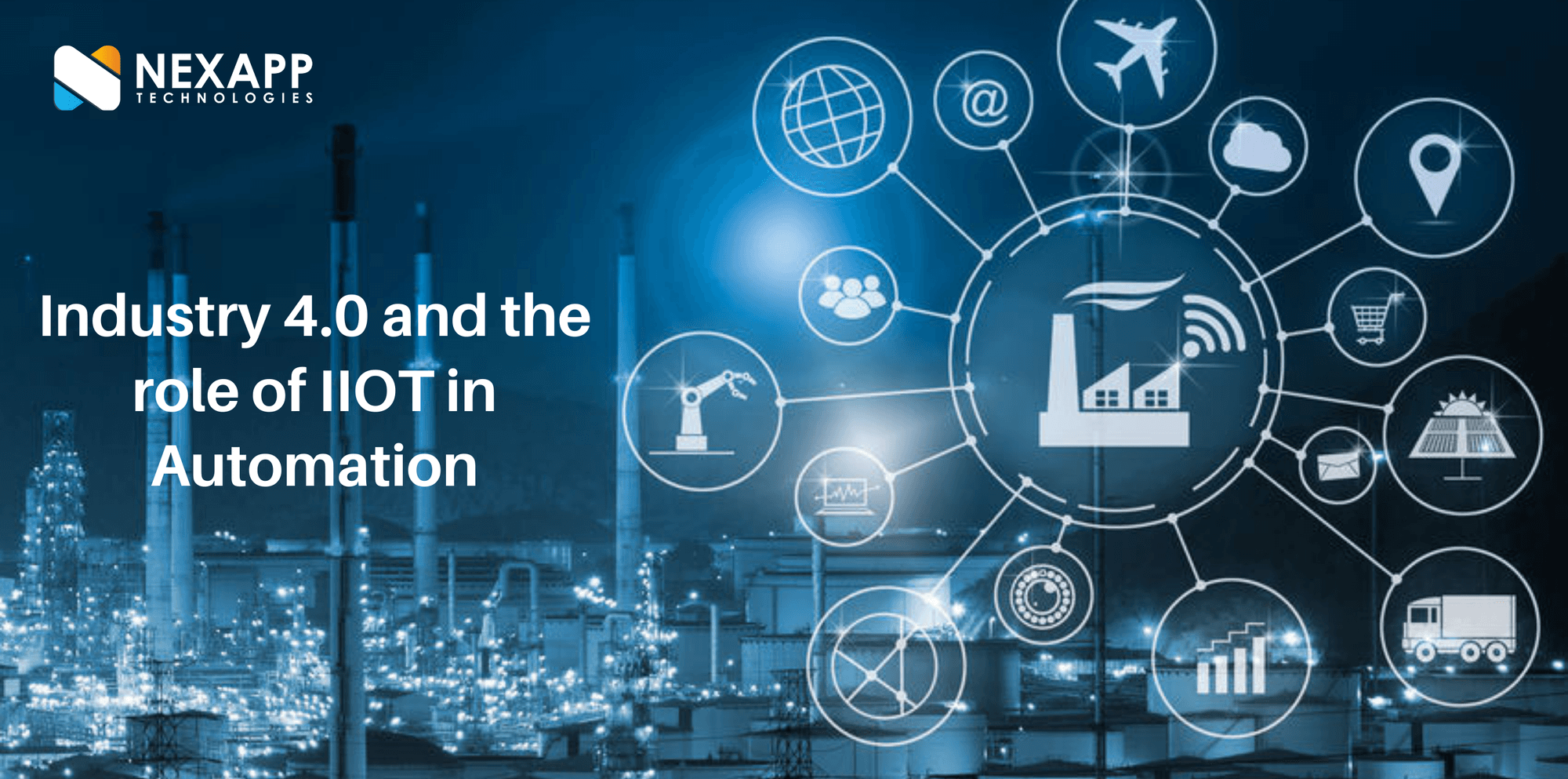
The role of IIoT in Industry 4.0: how connecting machines to the cloud enables remote access, remote updates and predictive maintenance in automation.
Instaroute is Nexapp's SD-WAN edge router range for wired and 4G/5G last miles, with zero-touch provisioning, central management and managed services.
SD-IoT applies software-defined networking to IoT, replacing rigid networks with zero-touch provisioning, real-time monitoring and reliable data links.
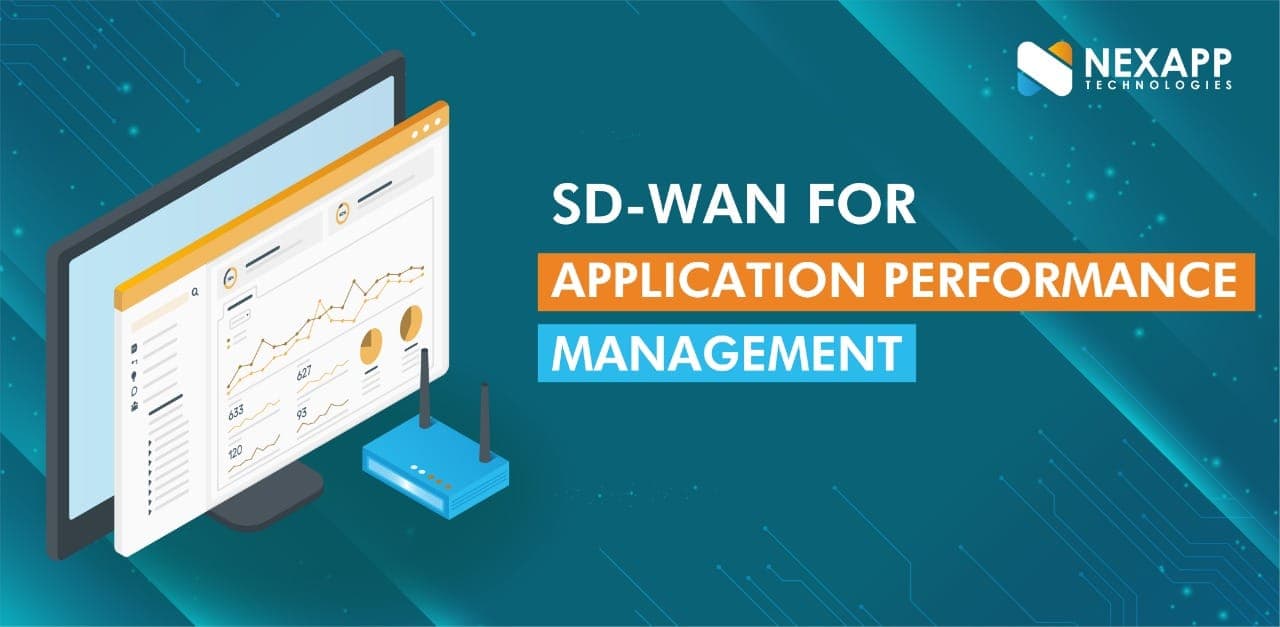
SD-WAN improves application performance by load-balancing links, prioritising voice and critical apps, and failing over to a backup link when a link drops.
Businesses are moving to SD-WAN for cheaper bandwidth, remote management, plug-and-play setup at remote sites and one-click updates across every location.
OpEx vs CapEx for SD-WAN: a subscription or managed model spreads cost, moves upgrades and support to the provider, and frees IT teams from hardware.

Nexapp was named a Notable Vendor in the 2021 Gartner Magic Quadrant for WAN Edge Infrastructure, APAC, for its managed SD-WAN with LTE last-mile access.
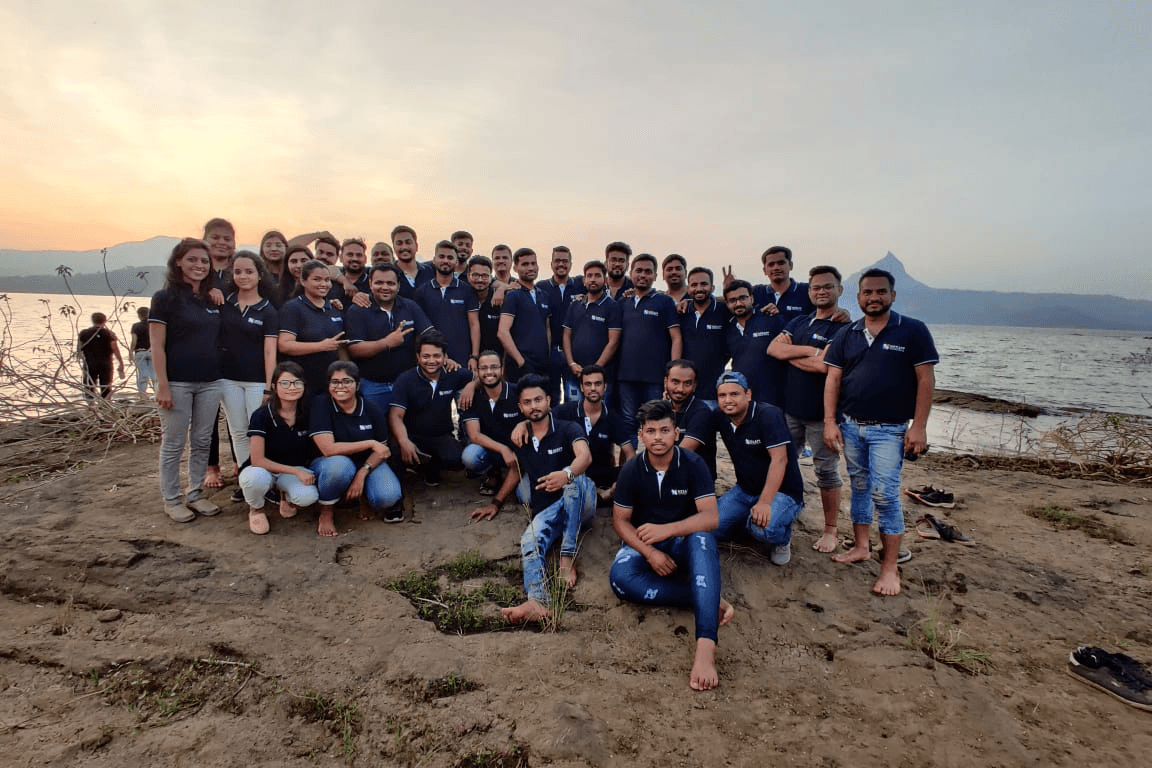
Working at Nexapp Technologies means an open-door culture, shared lunches, team celebrations and values of fun, ownership, speed, quality and passion.

Nexapp is Great Place to Work-Certified. See what the survey measured: credibility, respect, fairness, pride and camaraderie, as rated by our employees.
Why teamwork matters in difficult times: how clear direction, structure and mutual support helped the Nexapp team keep banks and hospitals running.
Managed SD-WAN vs in-house: compare DIY, fully managed and hybrid co-managed models on skills, upfront cost, site count and control, with questions to ask.
SD-WAN for multi-cloud: how application-aware routing, central visibility and encryption give secure, fast access to several cloud platforms at once.
SD-WAN for IoT gives one platform to monitor bandwidth, security and endpoints at remote sites, and partitions traffic so IoT devices stay reliable.
24×7 NOC in Pune · 75,000+ devices deployed · 400+ enterprise and banking customers since 2014.